Indian Culinary Archive · Issue No. 01
Curated Oral Histories, Domestic Hearths & Regional Traditions
The Living Table
Recipes carry more than instructions. Across 35 distinct Indian regional and cultural kitchens, they preserve voices, migrations, sacred rituals, and the intimate memory of home.
Table of Contents · Regional Index
Chapters by Regional & Cultural Kitchen
 North IndianMain DishNo. 001
Ancient / Traditional · Everyday comfort food
When the Moroccan traveller Ibn Battuta crossed India in the 14th century, he marvelled at how Indians boiled mung beans with rice and ate it with butter every single evening, and two centuries later the Mughal Emperor Jahangir fell so deeply in love with a Gujarati millet-and-lentil khichdi that he named it Lazeeza ("The Exquisite") and ordered it cooked in the royal kitchen on meatless days. Yet beyond imperial courts, Moong Dal Khichdi holds the deepest emotional place in an Indian life: it is the very first solid food touched to a six-month-old baby's lips during the Annaprashan ceremony, and it remains the quiet bowl a mother carries to a fevered child's bedside when nothing else can be kept down. A single spoonful of warm yellow khichdi glistening with melted cow's ghee carries the unmistakable scent of safety, recovery and unconditional maternal care.
 North IndianMain DishNo. 002
20th century · Everyday comfort food
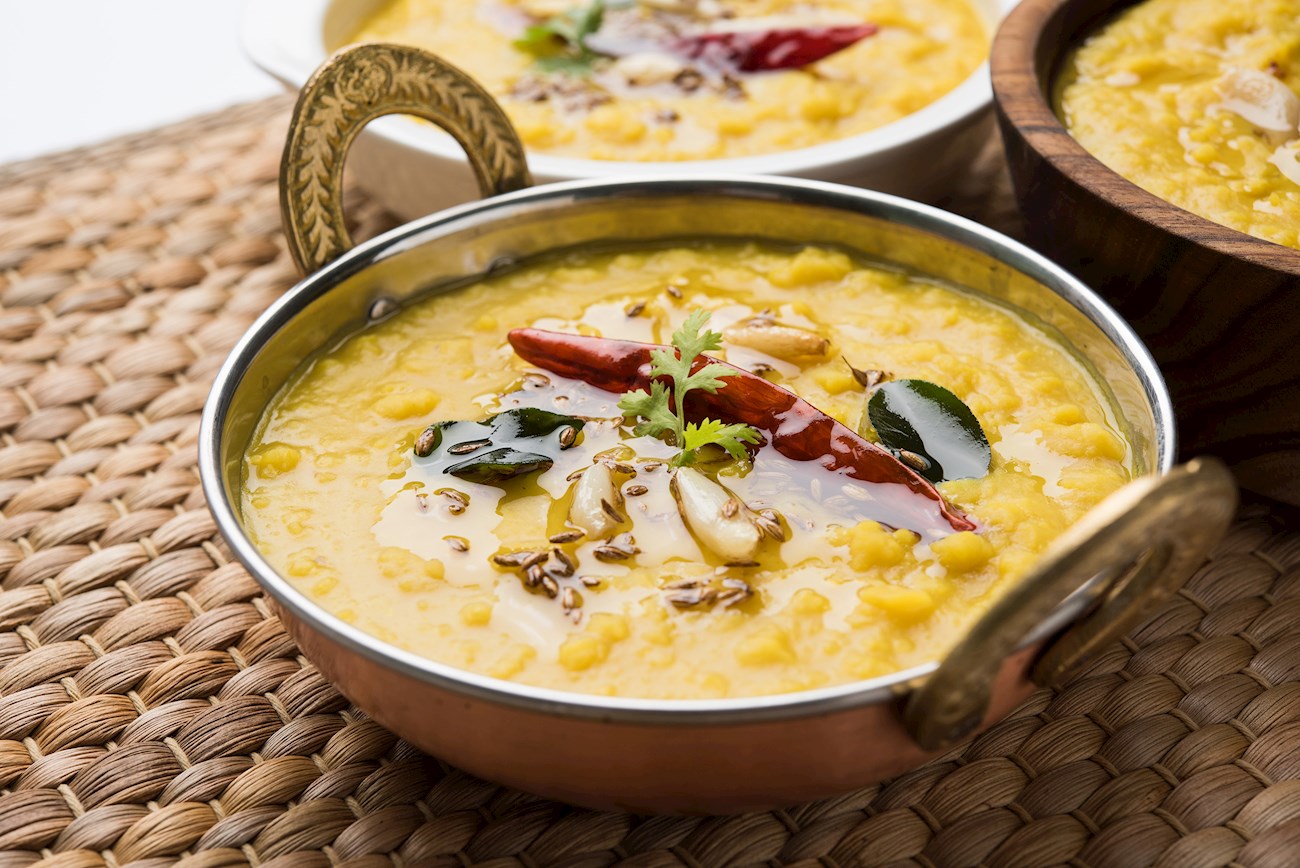
Ask any Indian living thousands of miles away from home what sound triggers sudden homesickness, and they will describe the sharp, explosive hiss—the chhaunk—of cumin seeds, crushed garlic and dried red chillies hitting smoking hot ghee at seven o'clock in the evening. As that sizzling ladle is plunged into the waiting pot of yellow dal and a lid is clapped on top to trap the scented steam, the aroma drifts down apartment corridors and village courtyards to announce that the family's workday is over. Evolved from ancient Vedic boiled pulses and perfected along Grand Trunk Road highway dhabas, Dal Tadka proves that the humblest split lentil can be transformed by two tablespoons of spiced ghee into the emotional heart of the everyday Indian table.
 PunjabiMain DishNo. 003
20th century · Everyday comfort food
Though red kidney beans originated in central Mexico and arrived on the Indian subcontinent aboard Portuguese trading ships, nowhere on earth did they become a deeper emotional institution than in the hills of Jammu and the plains of Punjab. In millions of North Indian households, Sunday afternoon has a single unbreakable scent: the rhythmic whistle of the pressure cooker softening soaked Chitra or Peerah rajma while fresh basmati rice steams on the adjacent burner. For generations of students boarding overnight trains back from hostels in Delhi, Bangalore or Mumbai, a mother waiting at the doorway with a steaming plate of Rajma Chawal topped with a dollop of white butter and raw onion rings is the ultimate symbol of coming home.
 PunjabiMain DishNo. 004
20th century · Street food
After the trauma of the 1947 Partition, displaced families from Rawalpindi and Lahore arrived in Delhi carrying the memory of narrow bazaar lanes perfumed with slow-simmered dark chickpeas spiced with crushed wild pomegranate seeds (anardana) and blackened with dried gooseberries. Setting up modest roadside stalls in Paharganj, Karol Bagh and Lajpat Nagar, these resilient refugee cooks turned Pindi and Amritsari Chole into the celebratory heartbeat of post-independence North India. Whether eaten off a leaf plate after a morning exam results announcement or shared at a crowded family wedding counter, a plate of dark, tangy Chole remains a testament to how displaced communities rebuilt joy through taste.
 PunjabiMain DishNo. 005
20th century · Festival & ceremonial
In the crisp winter months of the Punjab plains, when morning mist hangs low over emerald fields of tender spinach and mustard greens, farm wives harvest armfuls of dewy palak before sunrise. Historically paired with fresh artisanal chhena or paneer made from the morning's surplus buffalo milk, Palak Paneer bridged the gap between rustic agrarian nutrition and celebratory dawat elegance. For countless Indian children who stubbornly refused leafy greens, a mother's velvety, garlic-scented Palak Paneer—dotted with pillowy white cubes of fresh cheese that soaked up the emerald gravy—was the dish that turned winter harvest greens into a lifelong love affair.
 PunjabiBreakfastNo. 006
20th century · Everyday comfort food
There is an unspoken law in North Indian homes that the person standing at the stove rolling and roasting Aloo Parathas eats last, sliding each blistering, ghee-slicked flatbread straight from the cast-iron tawa onto the plates of waiting children and grandparents. Learning to seal a generous ball of spiced mashed potato inside soft wheat dough and roll it out without a single tear is a rite of passage handed down from grandmother to grandchild across generations. Wrapped in foil and newspaper for long family train journeys across India, the smell of cold Aloo Paratha and tangy mango achar unpacked as the train pulls out of the station is woven into the collective memory of Indian childhood.
 MaharashtrianBreakfastNo. 007
20th century · Everyday comfort food
In Maharashtrian culture, Kanda Poha is so intimately tied to courtship and family milestones that the traditional arranged-marriage meeting between a prospective bride and groom is affectionately called "Kande Pohecha Karyakram"—the Kanda Poha ceremony. Long before café culture arrived in Pune, Mumbai or Nagpur, nervous young couples met in living rooms over brass plates of bright yellow flattened rice studded with sweet pink onions, crunchy peanuts and fresh coconut. Legend also recalls the devotion of Sudama carrying a humble bundle of beaten rice (poha) to his childhood friend Lord Krishna in Dwarka, making every plate of Kanda Poha an emblem of warm hospitality, friendship and new beginnings.
 South IndianBreakfastNo. 008
20th century · Everyday comfort food
Across South Indian households and legendary Bangalore darshinis, Rava Upma—known affectionately in Karnataka as Khara Bath when enriched with ghee and a pinch of spice—is the ultimate test of a cook's patience and wrist control. In the mid-20th century, as coarse wheat semolina (Bombay rava) became widely available across Madras and Mysore presidencies, home cooks discovered that slow-roasting every grain in pure cow's ghee before pouring it into boiling tempered water created a cloud-like, savoury pudding studded with crunchy golden chana dal and cashews. Served on rainy mornings with a side of coconut chutney and filter coffee, it is the quiet workhorse of South Indian domestic life.
 South IndianBreakfastNo. 009
Ancient / Traditional · Everyday comfort food
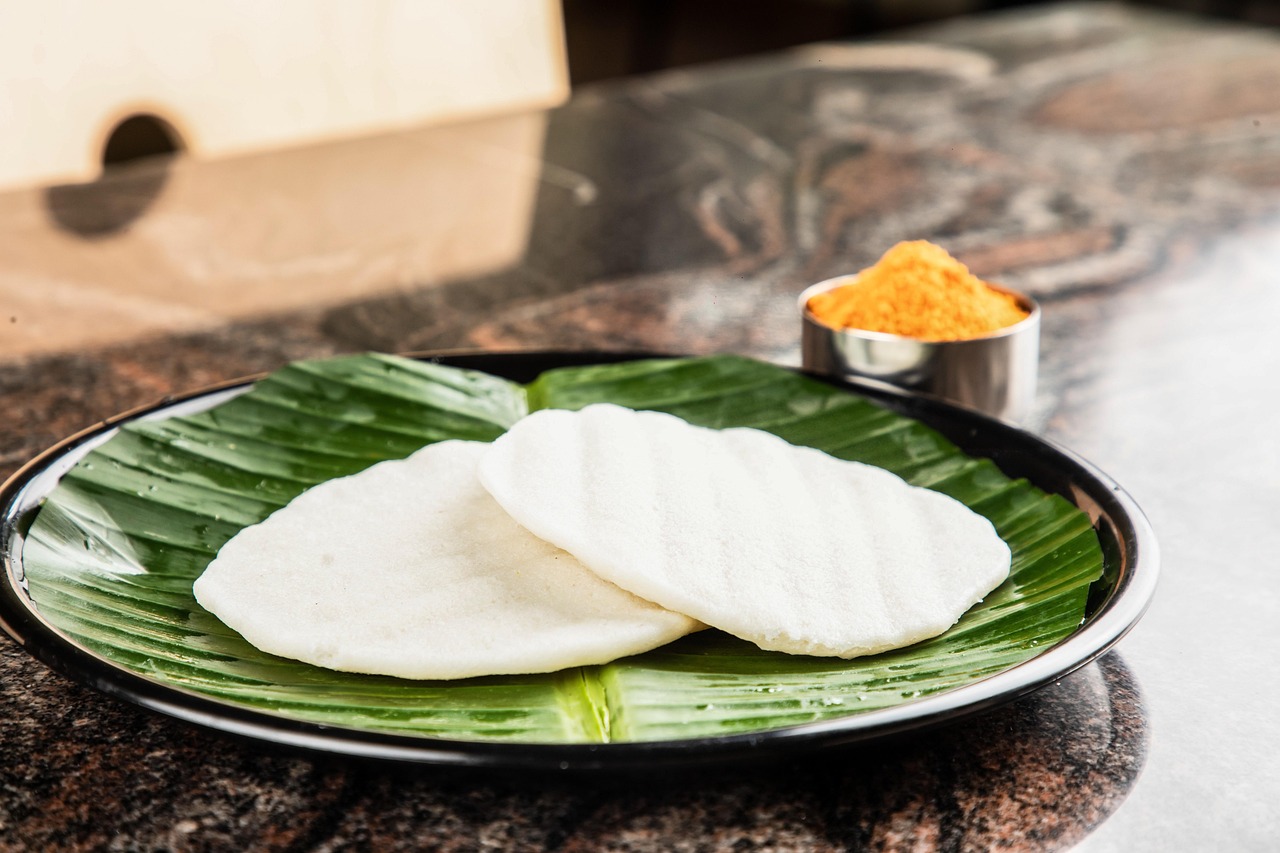
Mentioned as "iddalige" in the 920 CE Kannada encyclopedia Vaddaradhane by Shivakotiacharya and again in the 1130 CE Sanskrit treatise Manasollasa, the steamed white idli has nourished South India for over a millennium. In traditional Tamil and Kannada homes, grandmothers insist that the batter must always be mixed after grinding with a bare hand rather than a steel ladle, believing that the warmth and natural microflora of the cook's palm breathe life into the overnight fermentation. Soft as jasmine blossoms and gentle enough for both infants and ninety-year-olds, a plate of steaming idlis drowned in hot sambar is the universal language of South Indian comfort.
 South IndianBreakfastNo. 010
Ancient / Traditional · Street food
In the early 20th century, young Brahmin cooks from the temple town of Udupi in coastal Karnataka—most famously K. Krishna Rao, who began as a dishwasher before founding the legendary Woodlands hotel chain in Madras—carried the art of the iron-griddle dosa to every corner of India. Mentioned in Tamil Sangam literature as early as the 1st century CE, the humble fermented rice-and-lentil crepe derives its golden-brown lace and nutty aroma from a tablespoon of chana dal and fenugreek seeds ground into the batter. The theatrical hiss of batter hitting a smoking cast-iron kallu remains the unmistakable morning soundtrack of every South Indian home and tiffin room.
 South IndianMain DishNo. 011
Early Modern · Everyday comfort food
According to one of India's most celebrated culinary legends, Sambar was born in the late 17th-century royal kitchen of the Maratha ruler Shahuji I of Thanjavur when his cousin Sambhaji (after whom the dish was named) visited the palace. Craving his homeland's tangy Maharashtrian amti but finding that the palace pantry had run out of coastal kokum, Shahuji stepped into the royal hearth himself and substituted local Tamil tamarind pulp, pigeon peas, drumsticks and roasted coriander-fenugreek spices. Today, every household from Kanyakumari to Bengaluru guards its own heirloom sambar podi recipe, and the scent of asafoetida and curry leaves blooming in hot oil is the soul of the noon meal.
 South IndianMain DishNo. 012
Early Modern · Fasting & recovery food
During the British Raj, homesick colonial officers in Madras demanded a soup course at dinner, prompting Tamil cooks to serve their ancient healing broth—Milagu Tannir ("Pepper Water")—which the British phoneticized into the globally famous word "Mulligatawny." Yet in South Indian homes, Tomato Rasam is far more than a soup: it is a grandmother's first prescription for monsoon chills, sore throats and weary spirits. Hand-crushing ripe sour country tomatoes with pounded black pepper, cumin and garlic cloves, and pulling the pot off the fire the exact second a ring of fragrant foam crowns the surface, is a kitchen ritual treated with near-sacred reverence.
 South IndianMain DishNo. 013
20th century · Festival & ceremonial
Known as Elumichai Sadam in Tamil Nadu and Chitrannam across Andhra and Karnataka, Lemon Rice is the sunshine-yellow staple of temple festivals, river picnics and long cross-country train journeys. Because the antimicrobial tang of fresh lemon juice, turmeric and sesame oil keeps the rice fresh for twenty-four hours without refrigeration, generations of South Indian families have packed banana-leaf parcels of Lemon Rice into steel tiffin carriers before boarding the Grand Trunk or Coromandel Express. Unwrapping that banana leaf hours later—when the warm rice has absorbed the smoky aroma of the leaf, roasted peanuts and curry leaves—is one of Indian travel's purest joys.
 South IndianMain DishNo. 014
20th century · Everyday comfort food
In the scorching summers of the southern peninsula, no meal—whether a humble peasant lunch or a twenty-four-course royal wedding sadya—is ever considered complete until the final soothing mound of Thayir Sadam (Curd Rice) lands on the banana leaf. Classical Ayurvedic and Siddha texts praise this final course for cooling the digestive fire after spicy sambar and rasam, while temple cooks teach a crucial secret: stirring warm milk into the mashed hot rice before adding yogurt prevents the dish from turning sour hours later. Paired with a microscopic smear of fiery mango pickle on the tip of the finger, Curd Rice is the gentle lullaby at the end of every South Indian feast.
 MaharashtrianMain DishNo. 015
Colonial era · Street food
In the 1860s, when the American Civil War cut off cotton supplies to Britain, Bombay's textile mills ran frantic twenty-four-hour shifts to clothe the world, leaving thousands of exhausted mill workers pouring onto the streets at midnight with only minutes to eat. Resourceful street vendors outside the mill gates collected every leftover vegetable of the day—potatoes, cauliflower, peas and tomatoes—pounded them furiously on giant concave iron tawas with fiery spices and rivers of melting salted butter, and served the mash alongside soft Portuguese-inspired ladi pav buns. From a working-class midnight survival meal to the undisputed king of Chowpatty Beach and Indian celebrations worldwide, Pav Bhaji embodies the restless, generous spirit of Mumbai.
 PunjabiDessertNo. 016
Early Modern · Festival & ceremonial
Every North Indian winter begins not by the calendar, but on the November morning when long, slender, juicily sweet crimson carrots—desi laal gajar—appear on vegetable carts and the rhythmic scrape of brass graters echoes from sunlit courtyards. Introduced during the Mughal era and perfected in the royal kitchens of Punjab and Awadh, Gajar ka Halwa demands hours of patient, unhurried stirring as ruby shreds of carrot drink up a full litre of creamy milk and roast in pure ghee. Shared in steaming bowls after Lohri bonfires or tucked into winter wedding buffets under a snowfall of crumbled khoya, it is the warmest memory of the North Indian winter.
 North IndianDessertNo. 017
Ancient / Traditional · Festival & ceremonial
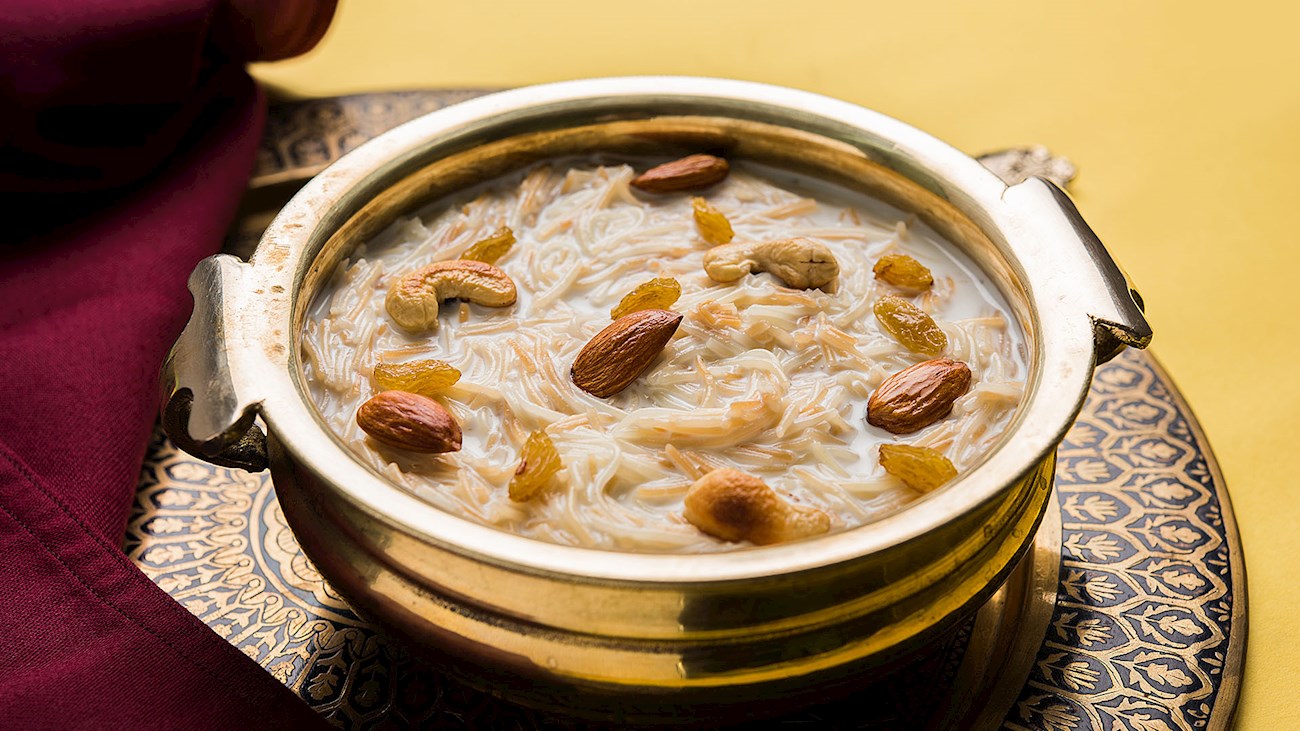
For over two thousand years—since the ancient Sanskrit texts called it Kshira or Payasa—simmering a handful of fragrant rice in a cauldron of rich milk has marked every sacred threshold of human life in India. In the 12th-century Jagannath Temple of Puri, legend tells of the medieval saint-poet Jayadeva and the Lord Himself sneaking a bowl of sweet kheer offered by a devoted dancer, cementing its status as the ultimate divine prasadam. On the autumn night of Sharad Purnima, families still place pots of freshly cooked Rice Kheer on open rooftops under the full October moon so the cooling moonlight blesses the milk before the family shares it at dawn.
 BengaliAppetizerNo. 018
Colonial era · Street food
Macher Chop is a beloved staple of Kolkata's evening telebhaja (fried snack) shops and old cabin restaurants, born during the Colonial era when British fish croquettes were reimagined by Bengali cooks with pungent mustard oil, ginger and roasted bhaja masala. Flaked freshwater fish is bound with spiced mashed potato, dotted with sweet raisins and crunchy peanuts, and encased in a shattering breadcrumb crust. Across North and South Kolkata, neighbourhood stalls fry batches of macher chop at dusk as office commuters stop for adda over paper cones of snacks and tea. It is virtually impossible to eat a macher chop without a generous swipe of fiery Bengali kasundi and thinly sliced raw onion.
 ArunachaliMain DishNo. 019
Ancient / Traditional · Everyday comfort food
In the high Tawang and West Kameng valleys of Arunachal Pradesh, the Monpa community prepares Puta and Thukpa using indigenous buckwheat grown on cold mountain slopes. Fermented bamboo shoots and local fiery chillies give the clear broth a brisk, warming tang that cuts through the freezing Himalayan mist. Unlike lowland noodle soups, Monpa thukpa celebrates the earthy, nutty flavour of buckwheat noodles and foraged mountain greens. Families gather around the hearth to share steaming bowls alongside fermented yak cheese (chhurpi) during the Losar New Year festivities.
 MaharashtrianBreakfastNo. 020
Ancient / Traditional · Everyday comfort food
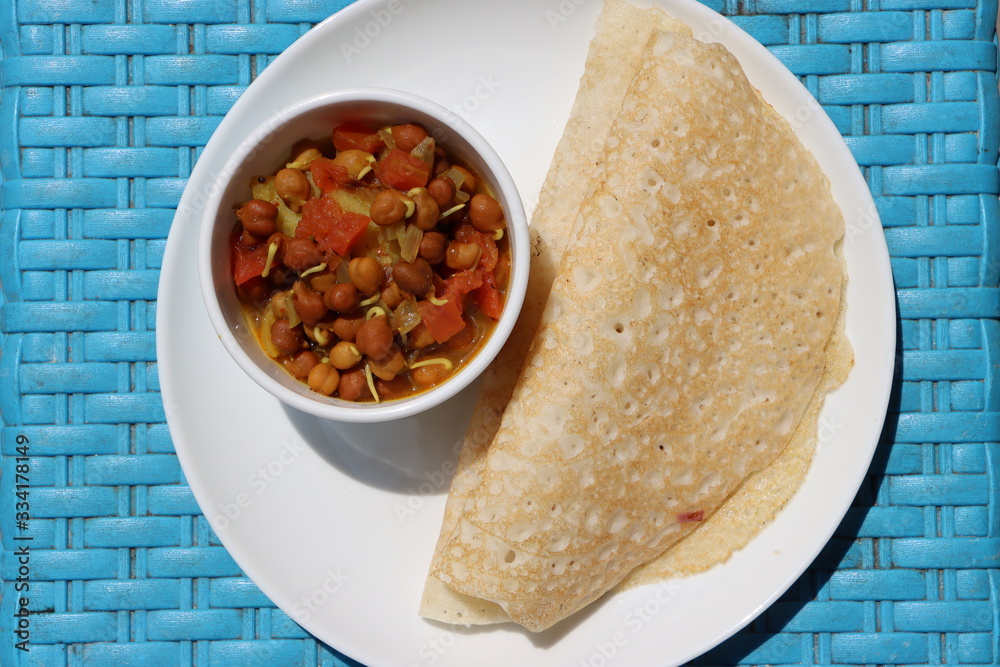
Amboli is the soft, spongy fermented rice pancake of Maharashtra's Konkan coast and Sawantwadi-Malvan region, cherished as both a morning breakfast and a hearty dinner partner for spicy curries. Thicker and softer than a crisp dosa, amboli gets its pillowy crumb from fenugreek seeds and flattened rice fermented overnight in the warm coastal air. Traditional Konkani cooks pour the batter onto a seasoned iron griddle and cover it with a domed lid so steam traps inside, creating hundreds of tiny craters that soak up coconut chutney, usal or fiery Malvani chicken curry.
 KarnatakaMain DishNo. 021
Ancient / Traditional · Festival & ceremonial
In the Sri Vaishnava temples of Melukote and Mysuru in Karnataka, Puliogare—known locally as Puliyogare—is elevated into a sacred culinary art form with a complex balance of sour, sweet, nutty, bitter and peppery notes. What distinguishes Karnataka's Iyengar puliogare from Tamil or Andhra tamarind rice is the finishing powder of toasted black sesame seeds, dry copra, black pepper and Byadgi chillies folded in alongside the concentrated tamarind-jaggery gojju. Aged dark black tamarind is prized by temple cooks for its mellow, wine-like depth of sourness. Packed in banana leaves for pilgrimages or distributed as warm prasadam in leaf cups, Melukote puliogare is one of South India's most iconic heritage rice dishes.
 PunjabiMain DishNo. 022
Ancient / Traditional · Everyday comfort food
Kala Chana Tariwala—whole brown chickpeas simmered in a light, soulful, spiced broth called tari—is the backbone of everyday North Indian home cooking across Punjab, Haryana and Delhi. While white kabuli chana is reserved for rich weekend chole bhature, humble dark-skinned kala chana is cooked mid-week because its iron-rich, nutty broth is deeply nourishing and gentle on the stomach. Home cooks never discard the dark brown water in which the chickpeas are boiled; instead, they mash a handful of cooked beans into the onion-tomato masala so the thin tari clings lovingly to steamed basmati rice or hot phulkas.
 KarnatakaMain DishNo. 023
Ancient / Traditional · Festival & ceremonial
According to oral tradition in old Mysuru, Bisi Bele Huliyanna—literally "hot lentil sour rice" in Kannada—originated for the royal banquets of the Wadiyar palace before spreading to iconic Bengaluru tiffin rooms like Mavalli Tiffin Room (MTR). Its unmistakable soul comes from a complex, freshly roasted spice blend combining Marathi moggu (kapok buds), cinnamon, cloves, dry copra, Byadgi chillies and chana dal that perfumes the entire house as it simmers with tamarind and jaggery. True to its name ("Bisi" meaning piping hot), Kannada families insist it must travel straight from the boiling pot to the plate, crowned with a melting lake of pure ghee and crisp khara boondi on rainy Bengaluru evenings.
 KarnatakaMain DishNo. 024
Ancient / Traditional · Everyday comfort food
Sharing its name with the Maharashtrian word for aubergine ("vangi"), Vangi Bath reflects centuries of cultural exchange across the Deccan plateau between the Maratha and Kannada kitchens. In Karnataka, families prize tender, green-striped Mysore or Udupi Mattu Gulla brinjals, which turn silky without losing their shape when sautéed with tamarind and a warming spice powder of cinnamon, cloves, roasted lentils and dry coconut. Ask anyone who grew up in Mysuru, Hubballi or Bengaluru about school excursions and wedding buffets, and they will recall the comforting aroma of Vangi Bath paired with cool cucumber-onion raita and crisp potato chips.